
Parasomnias

Night Terrors and Confusional Arousals: What’s Really Going On With Your Child’s Sleep?
If you’ve ever been jolted awake by your little one crying, thrashing, or looking “awake but not awake,” please know you’re not alone.
Many of the families I support describe those heart-stopping moments when their child seems distressed, but comforting them only seems to make things worse, I have also been there with my eldest many of times and its a very scary moment if you don't quite understand the process.
Your thoughts going round and round,
Is this a nightmare? A night terror? Or something completely different?
Let’s break this down together so we can understand what’s happening. This can make these episodes far less scary and help you feel more confident handling them.

What Are Parasomnias?
Parasomnias are behaviours that happen alongside sleep - part of the brain is awake while the body remains asleep. This is why they can look so unusual or even alarming.
Common parasomnias in little ones include:
Sleep talking
Sleep walking
Confusional arousals
Night terrors
They’re surprisingly common in toddlers and preschoolers and, although unsettling to watch, usually harmless.
Night Terrors: What They Are (and What They’re Not)
Night terrors are often mixed up with nightmares, but the two are very different.
Nightmares happen during REM sleep - the dream stage. Your child can usually wake fully, remember the dream, and seek comfort.
Night terrors, on the other hand, occur during deep non-REM sleep, usually in the first few hours of the night. Your child is essentially stuck between sleep and wakefulness, and it shows.
You might notice:
Sudden screaming or crying
Sweating or rapid breathing
Thrashing or bolting upright
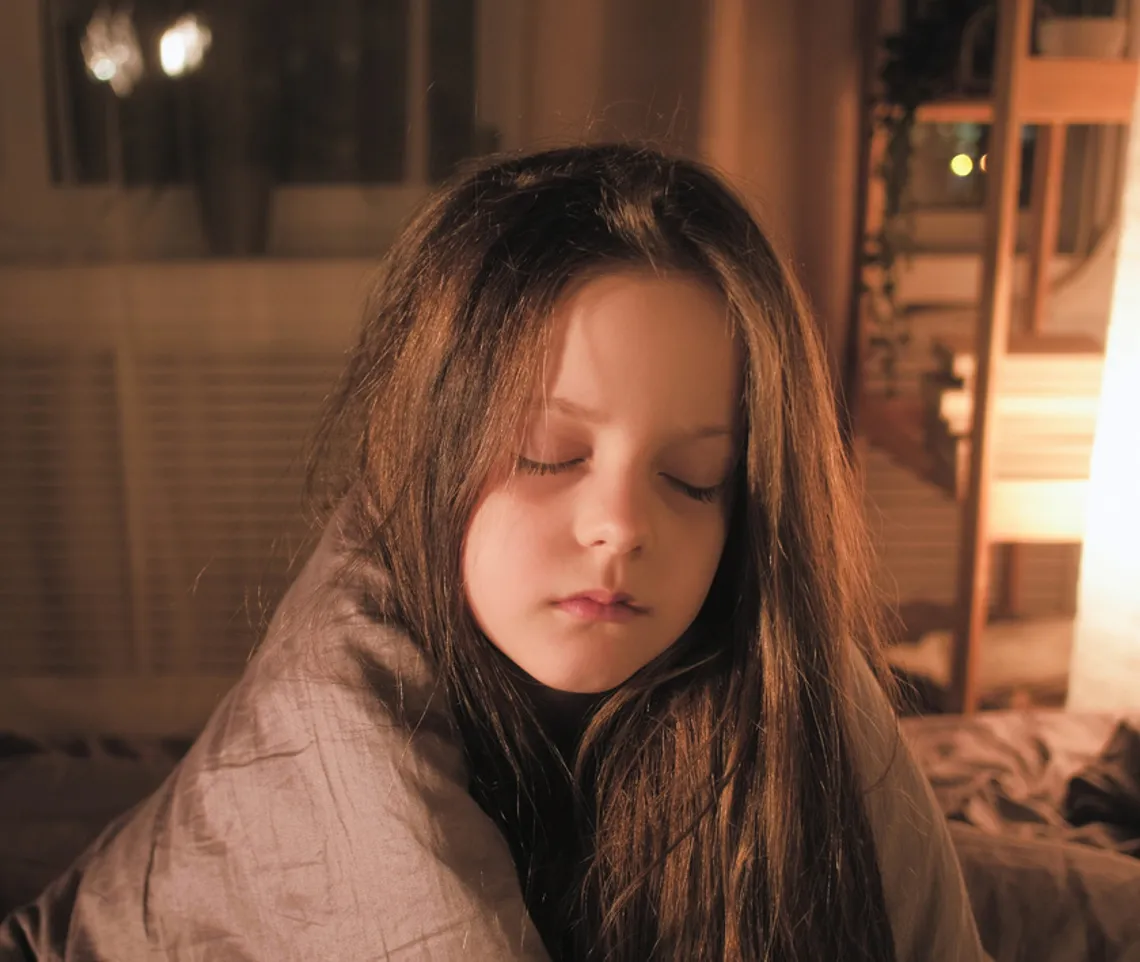
Eyes open but “blank” or unfocused
Running or jumping out of bed
No memory whatsoever the next morning
Trying to wake or soothe them often makes things worse - not because you’re doing anything wrong, but because they’re not truly awake.
Night terrors often run in families, so if you or your partner had them, your little one may simply have inherited the tendency.

Confusional Arousals: The Milder Cousin
Confusional arousals look similar to night terrors but tend to be gentler and shorter.
They often happen in the first 2–4 hours of sleep and may look like:
Sitting up half-asleep
Mumbling or soft crying
Saying simple phrases like “no” or “stop”
Eyes open but not really seeing you
Becoming more agitated if touched
Settling back into sleep on their own
And yes - many parents say their child looks momentarily “possessed.” You’re not imagining it! It’s simply a mismatch between body and brain.
What Should You Do During an Episode?
The golden rule: stay calm and focus on safety.
Here’s what helps:
Don’t wake them. Waking often prolongs the episode.
Monitor quietly. Stay nearby but avoid engaging.
Gently guide if needed. If they’re walking, simply steer them carefully back to bed.
Keep the environment safe. Close stair gates, remove hazards, keep the room clutter-free.
Let it pass. Most episodes last only a few minutes, even if it feels like forever to you.
By morning, your child usually has no idea anything happened - even though you might still feel shaken!
Why Do Parasomnias Happen?
Parasomnias often pop up when the brain has trouble moving smoothly through sleep stages. Common triggers include:
Overtiredness
Illness
Stress
Developmental leaps
Irregular or too-late bedtimes
Some children are simply more prone to them because of their sleep architecture or family history.
How to Reduce Episodes
While you can’t prevent every episode, you can lower the likelihood with a few gentle tweaks:
Protect sleep. Make sure they’re getting enough total rest across 24 hours (naps included!).
Avoid overtiredness. Early, consistent bedtimes are crucial.
Create a calm evening. Reduce stimulating play in the hour before bed.
Keep a predictable bedtime routine. Familiarity helps the brain ease into sleep.
Watch for illness disruptions. Parasomnias often spike when little ones are under the weather.
Most children grow out of parasomnias naturally as their nervous system matures, but it can be incredibly unsettling while you’re going through it.
When to Seek Extra Support
If your child’s night terrors or confusional arousals are happening frequently, intensifying, or affecting the whole family’s ability to rest, tailored support can make a huge difference.
As a children’s sleep consultant, I help families understand what’s triggering these episodes, adjust sleep routines, and bring back calm, confident evenings - without stress or guesswork.
You don’t have to navigate it alone. If you this sounds like something you're currently going through with your little one and you're unsure what to do next, take a look at my website or send me a message. (find the link below 👇)
Katie xx


